
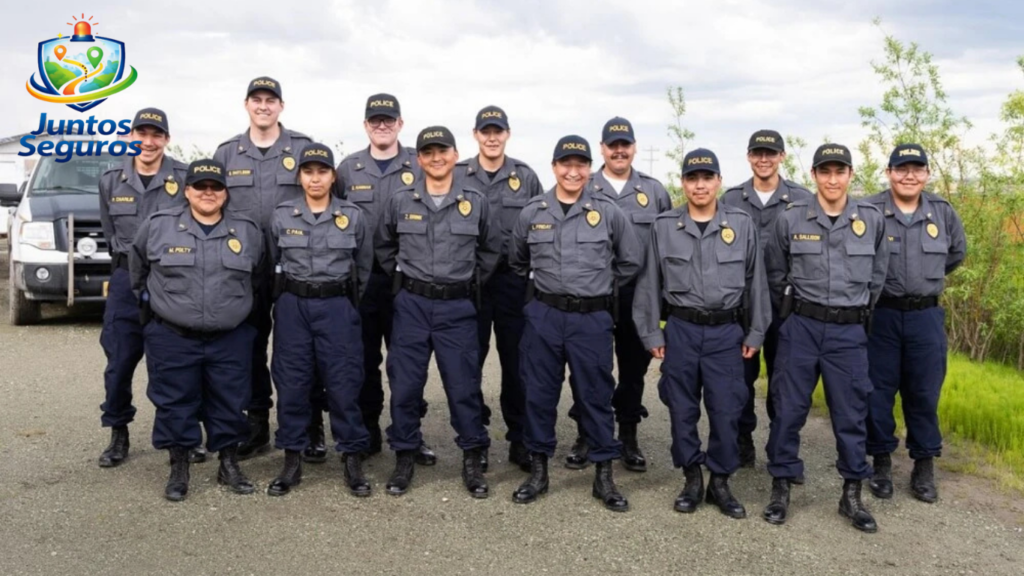
A public safety officer is a trained professional dedicated to protecting people and property through patrolling, emergency response, enforcement of security policies, and proactive prevention. While the title may seem straightforward, the role of a public safety officer is diverse and can vary greatly depending on the employer, jurisdiction, training, and authority.
In practice, a public safety officer ensures safety and security in a wide range of environments, including college campuses, hospitals, corporate offices, government buildings, and residential communities. Their work allows individuals to live, work, and play in safe environments, making the role both essential and impactful. Choosing a career as a public safety officer is a commitment to service, responsibility, and community protection, offering a challenging yet highly rewarding professional path.
The Role and Daily Activities of a Public Safety Officer
When exploring what a public safety officer does, it helps to understand what a typical day might look like. While no two shifts are the same, several core responsibilities are common across the role.
During a shift, a public safety officer may patrol assigned areas on foot, by bicycle, or in a vehicle, maintaining a visible presence to deter crime and ensure public safety. They often inspect facilities, entrances, parking lots, and access points to identify safety hazards or security vulnerabilities. Physical patrols are frequently complemented by camera and security technology monitoring.
In emergencies, public safety officers may act as first responders to incidents such as medical emergencies, fire alarms, accidents, theft, or disturbances. Some officers are trained to administer first aid or CPR until paramedics arrive, and coordination with local fire departments, EMS, and law enforcement is often essential.
On the security and enforcement side, a public safety officer typically monitors activities, enforces rules or regulations, and controls access points. Depending on the employer, this may involve institutional policies or state laws. They may also investigate suspicious behavior, conduct interviews, prepare incident reports, and, in certain cases, detain or apprehend suspects until law enforcement arrives.
Assisting the public is another critical aspect of the role. Officers often serve as the first point of contact for visitors, students, employees, or residents—offering directions, addressing minor issues, and providing a professional, approachable presence. Accurate reporting and documentation of every incident, observation, and patrol are key responsibilities.
With duties that combine patrolling, monitoring, assisting, and enforcing, a public safety officer must be adaptable and vigilant. The position often bridges the gap between unarmed security and full law enforcement, depending on the employer and jurisdiction.
Work Environments Where Public Safety Officers Operate
The work environment of a public safety officer can vary significantly by institution. Common settings include colleges and universities, hospitals and healthcare facilities, corporate offices and campuses, museums, gated residential communities, and government buildings or agencies.
At a university, a public safety officer may focus on student and faculty safety, event security, parking lot monitoring, alarm response, and frequent coordination with campus police. In a hospital, responsibilities often include controlling facility access, monitoring patient and visitor flow, supporting emergency evacuations, and working closely with hospital security and EMS teams.
Within corporate environments, the emphasis often shifts toward entrance security, protection of critical assets, safeguarding sensitive data, and visitor screening. At the same time, the core duties of patrolling, monitoring, assisting, reporting, and enforcing remain consistent. In government agencies, particularly those labeled public safety, the role may include additional enforcement and regulatory responsibilities.
For those considering a career as a public safety officer, it’s crucial to identify the type of institution that best aligns with their interests. Some workplaces focus on hospitality and assistance, such as campus or residential settings, while others emphasize enforcement and regulatory response, like government or institutional roles. Daily responsibilities and workplace demands will vary accordingly, shaping the overall experience of the position.
Qualifications, Training, and Career Pathways
For many public safety officer positions, the minimum education requirement is a high school diploma or GED. However, some employers prefer or require related degrees, such as in criminal justice, public safety management, or security studies, which can provide a competitive advantage.
A thorough background check is standard for all candidates. Because public safety officers handle security, emergency response, and sometimes enforcement duties, employers typically seek individuals with good physical and mental health, a clean criminal record, strong observation and communication skills, and the ability to remain calm under pressure.
Training is another critical component. Specialized programs or academies may be required, particularly for positions with law enforcement authority. In the U.S., for example, the Texas Department of Public Safety (DPS) outlines strict requirements for candidates, including a physical readiness test, written examination, background investigation, and medical and psychological evaluations. This illustrates the level of commitment and preparation expected for aspiring public safety officers in Texas.
Training often covers subjects such as criminal procedures, criminology, investigative report writing, public policy, and risk reduction, providing the foundational knowledge necessary to handle complex security responsibilities. Career advancement typically comes through gaining hands-on experience, obtaining additional certifications, completing supervisory training, and potentially transitioning into enforcement or management roles.
Types of Public Safety Officer Roles & Authority
When exploring public safety officer careers, it’s important to understand the variations in authority, specialization, and responsibilities. One key distinction is between armed and unarmed officers. Some officers carry firearms and possess arrest authority, functioning similarly to law enforcement personnel, while others focus solely on security, monitoring, and emergency response without weapons.
Another differentiation exists between sworn and civilian roles. Sworn public safety officers are granted certain legal authorities akin to police officers, whereas civilian officers handle security monitoring and response duties without law-enforcement powers.
Many positions are also highly specialized. A public safety officer may focus on areas such as fire suppression, emergency medical response, rescue operations, or protection of critical assets.
For those entering the profession, understanding the category and scope of a specific role helps set realistic expectations regarding duties, training requirements, risk, and career growth.
Compensation and Job Outlook
A common question among aspiring professionals is: What is the salary of a public safety officer? According to national data, pay for public safety officers varies widely depending on location, employer, responsibilities, and authority.
On average, public safety officers in the United States earn around $23.14 per hour, with an estimated annual salary of $54,758. However, these figures represent broad averages, and actual pay can vary based on specific factors. For instance, in California, the average hourly rate rises to about $27.84, while entry-level roles across the U.S. may start at approximately $19.22 per hour, or $39,969 annually.
Several factors influence compensation:
- Experience and enforcement duties – Entry-level roles or positions with fewer law-enforcement responsibilities typically pay below the national average.
- Specialized training and authority – Officers with law-enforcement powers, shift work, or specialized skills often earn higher salaries.
- Location and employer type – Geographic cost of living and whether the position is in the public or private sector significantly affect pay.
Regarding job outlook, while precise data for public safety officers is limited, related occupations such as police officers and detectives are projected to grow about 3 % from 2024 to 2034 (bls.gov). This indicates that roles dedicated to community and property protection remain relevant. However, evolving responsibilities—driven by technology, public health integration, and public-private partnerships—highlight the importance of ongoing training and specialization for career advancement.
Careers and Job Options: Public Safety Officer Jobs & Beyond
Exploring public safety officer careers reveals a wide range of opportunities across diverse employers, including universities, hospitals, large corporations, museums, gated communities, and government agencies. State-level recruitment efforts, such as those by the Texas Department of Public Safety (DPS), highlight ongoing demand for qualified candidates.
When searching for positions, it’s helpful to use keywords such as “public safety officer,” “security,” “campus safety,” or “facility security.” Broader search terms can also uncover openings related to organizational units or administrative offices, particularly in government agencies. For example, in Texas, opportunities exist at DPS locations that handle driver license services or human resource operations.
Career advancement often follows a path from officer to supervisory or managerial roles, or into specialized response units such as fire, rescue, or emergency medical teams. Some public safety officers may eventually transition into full law enforcement careers or other branches of public safety as they gain experience. Aligning your career goals, location preferences, training, and employer type is essential to finding the right path in this dynamic field.
Real‑World Insights: Reviews and Thoughts from Officers
Hearing directly from those in the field provides insight into the realities of being a public safety officer. For example, one Reddit user noted that early-career pay for uniformed officers averages around $15 per hour for those with less than five years of experience. While this example focuses on policing, it illustrates that starting salaries can be modest unless the position involves specialized training or law-enforcement authority.
Despite demanding work, job satisfaction among public safety officers is generally strong. Surveys indicate that roughly 70 % of officers feel fairly compensated relative to the responsibilities and challenges of the role (Glassdoor).
Key takeaways for those considering a career as a public safety officer include:
- Shift work is common, including nights, weekends, and holidays.
- Emergency response is a major component; the job is not limited to routine patrols.
- Training, strong communication skills, and composure under pressure are essential.
- Career advancement and higher pay often require additional certifications, law-enforcement authority, or supervisory responsibilities.
Understanding these realities allows aspiring public safety officers to enter the profession with realistic expectations and positions them to build a sustainable, rewarding, and satisfying career.
What to Consider Before You Apply
If you’re considering a career as a public safety officer, several key factors should guide your decision:
- Authority and Duties: Will the role involve arrest powers or carrying a weapon? Some positions resemble armed security or sworn officer roles, while others are unarmed and focus on monitoring, assistance, and emergency response.
- Employer Type and Environment: Work settings such as university campuses, hospitals, corporate facilities, or residential communities each come with unique daily routines and expectations.
- Training and Credentialing: Are you prepared to complete the required training and certifications? Positions with enforcement authority may require physical tests, background checks, psychological evaluations, and academy programs.
- Shift Schedule and Lifestyle: Many public safety officer roles operate 24/7, including nights, holidays, and overtime, which can impact personal routines.
- Growth and Advancement: Consider opportunities for promotion, specialization, or transition into other public safety roles. Employers that support continuing education and credential upgrades can help accelerate career growth.
- Location and Compensation: Salary and benefits vary based on geography, cost of living, and employer type. For example, roles in Texas, California, or New York may differ significantly in pay and responsibilities.
Evaluating these factors carefully ensures you choose the right path and enter the profession with realistic expectations, setting the foundation for a rewarding and sustainable career as a public safety officer.
Public Safety Officer in the Texas Context
For those living in or seeking a career in Texas, the Texas Department of Public Safety (DPS) plays a central role in statewide public safety operations. The agency actively recruits personnel and emphasizes a workforce built on integrity, excellence, accountability, and teamwork (dps.texas.gov).
The Texas DPS careers page lists available public safety officer positions across the state. In addition, because the agency manages driver license services, some DPS driver license office locations may include public safety or security-focused roles. However, these positions differ from traditional patrol or law enforcement duties.
For example, staff opportunities exist at locations like the Greenville, TX driver’s license office, contributing to the broader public safety infrastructure. By reviewing the specific responsibilities of the office you apply to, you can determine whether the role emphasizes facility security and administrative tasks or patrol and enforcement duties, ensuring the position aligns with your career goals and expectations.
Frequently Asked Questions
What is a public safety officer?
A public safety officer is a professional responsible for protecting people and property through patrolling, emergency response, enforcement of security policies, and proactive prevention.
What are the main duties of a public safety officer?
Key responsibilities include patrolling areas, monitoring facilities, responding to emergencies, enforcing rules, assisting the public, and documenting incidents.
Where do public safety officers typically work?
They work in universities, hospitals, corporate offices, museums, gated communities, and government buildings, with duties varying by environment.
What education is required to become a public safety officer?
Most positions require a high school diploma or GED, while some prefer degrees in criminal justice, public safety management, or security studies for a competitive edge.
Do public safety officers need special training?
Yes, training is essential. It may include emergency response, first aid/CPR, security procedures, law enforcement training, and sometimes completion of an academy program.
Are public safety officers armed?
It depends. Some roles are armed with arrest authority and function like law enforcement, while others are unarmed and focus on security, monitoring, and assistance.
What is the average salary of a public safety officer?
Salary varies by location, employer, and experience. In the U.S., entry-level officers may earn around $19–$23 per hour, while experienced officers or those with specialized training can earn more.
Conclusion
A public safety officer plays a vital role in protecting people, property, and communities. From patrolling and emergency response to assisting the public and enforcing rules, their duties are diverse and essential. Career opportunities span universities, hospitals, corporate campuses, government agencies, and residential communities, with responsibilities and authority varying by employer and location.