
Acne is one of the most common skin conditions worldwide, affecting teenagers and adults alike. While many over-the-counter skincare products promise clearer skin, persistent acne often requires treatments that address the underlying causes rather than simply reducing surface oil.
For decades, dermatologists have considered tretinoin one of the most effective topical medications for acne management. Beyond treating breakouts, tretinoin has also become widely recognized for improving skin texture, reducing fine lines, minimizing post-acne marks, and supporting overall skin renewal.
Today, tretinoin gel remains one of the most trusted prescription-strength retinoids available for long-term skin improvement.
Understanding Acne
Acne develops when hair follicles become clogged with excess oil, dead skin cells, and bacteria. The blockage creates an environment where inflammation can occur, leading to various types of blemishes.
Common forms of acne include:
- Whiteheads
- Blackheads
- Papules
- Pustules
- Nodules
- Cystic acne
Although acne often begins during adolescence, many adults continue experiencing breakouts well into their 30s and 40s.
Why Acne Develops
Several factors contribute to acne formation:
- Increased oil production
- Hormonal fluctuations
- Slow skin cell turnover
- Clogged pores
- Cutibacterium acnes bacteria
- Genetics
- Certain medications
- Stress
Because multiple factors are involved, effective treatment usually requires improving the skin’s natural renewal process rather than simply drying out pimples.
What Is Tretinoin?
Tretinoin is a topical retinoid derived from vitamin A.
Unlike many cosmetic skincare products, tretinoin works at the cellular level by increasing skin cell turnover. This helps prevent clogged pores before they develop into visible acne lesions.
With consistent use, tretinoin may also improve:
- Uneven skin texture
- Post-acne pigmentation
- Fine lines
- Sun-damaged skin
- Overall skin smoothness
For this reason, dermatologists frequently recommend tretinoin as both an acne treatment and a long-term skin renewal therapy.
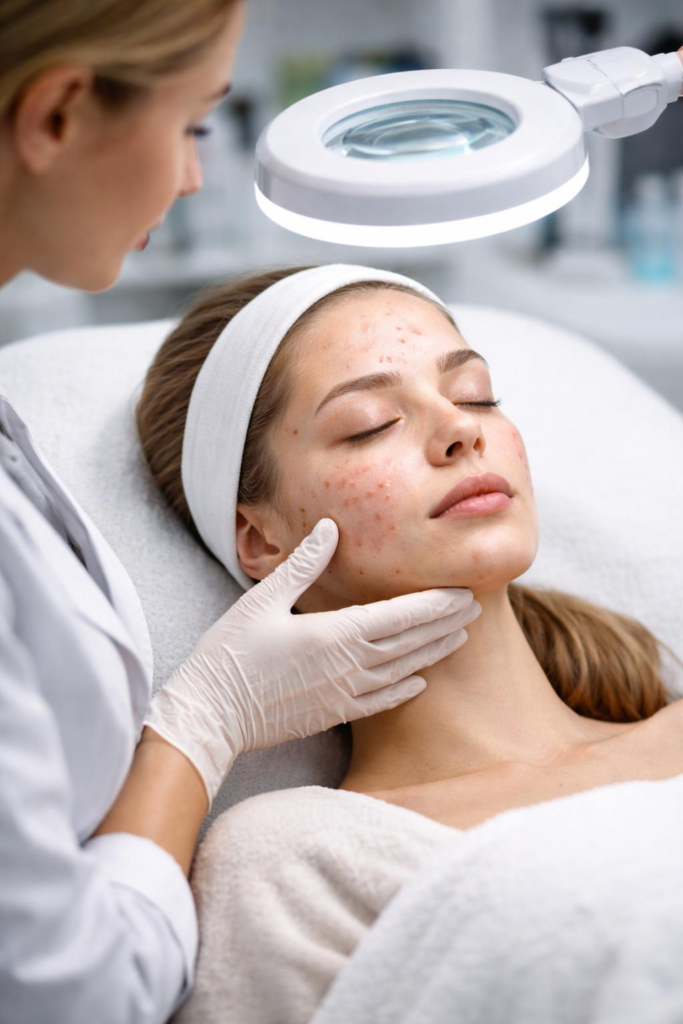
How Tretinoin Works
Healthy skin naturally sheds old cells and replaces them with new ones.
In acne-prone skin, this process often slows down, allowing dead skin cells to accumulate inside pores.
Tretinoin helps normalize this process by:
- Accelerating skin cell turnover
- Preventing clogged pores
- Reducing the formation of new comedones
- Supporting collagen production
- Improving overall skin texture
Unlike spot treatments that only target existing pimples, tretinoin helps prevent new breakouts from forming.
What to Expect During Treatment
Patients should understand that tretinoin requires patience.
During the first several weeks, some people experience:
- Mild redness
- Dryness
- Peeling
- Temporary irritation
- An initial increase in visible breakouts
This early adjustment period is often temporary as the skin adapts to treatment.
Visible improvements typically develop gradually with consistent use over several weeks or months.
Tips for Successful Treatment
Following a gentle skincare routine helps improve comfort while using tretinoin.
Use a Gentle Cleanser
Avoid harsh scrubs and aggressive exfoliating products that may increase irritation.
Apply Only a Small Amount
A pea-sized amount is generally sufficient for the entire face.
Moisturize Daily
Using a fragrance-free moisturizer helps reduce dryness and peeling.
Wear Sunscreen Every Day
Because tretinoin increases skin sensitivity to sunlight, daily broad-spectrum sunscreen is an essential part of treatment.
Be Consistent
Skipping applications frequently may delay visible improvements.
Possible Side Effects
Like all retinoids, tretinoin may cause temporary skin irritation.
Common side effects include:
- Dry skin
- Redness
- Peeling
- Mild burning sensation
- Increased sensitivity
- Temporary irritation
These reactions often improve as treatment continues.
If severe irritation develops, patients should consult their healthcare provider.
Beyond Acne
Although best known for acne treatment, tretinoin is also widely used for improving signs of photoaging.
Long-term use may help improve:
- Fine lines
- Rough skin texture
- Uneven pigmentation
- Sun damage
- Skin radiance
Because of these benefits, tretinoin has become one of the most extensively studied topical retinoids in dermatology.
Finding Quality Treatment Options
Obtaining authentic dermatological medications from trusted suppliers helps ensure product quality and treatment consistency.
Patients interested in learning more about Retin-A Gel (Tretinoin Gel USP 20g) can review detailed product information, usage recommendations, and formulation details before discussing treatment options with their healthcare provider.
Final Thoughts
Treating acne successfully requires more than simply addressing existing blemishes. Long-term improvement depends on preventing clogged pores, supporting healthy skin renewal, and maintaining a consistent skincare routine.
Tretinoin remains one of the most trusted prescription-strength topical treatments for acne and skin renewal. When used correctly under professional guidance and combined with gentle skincare and daily sun protection, it can significantly improve skin clarity, texture, and overall appearance over time.